
Event Catering: Which Package Should You Choose for a Corporate Event?
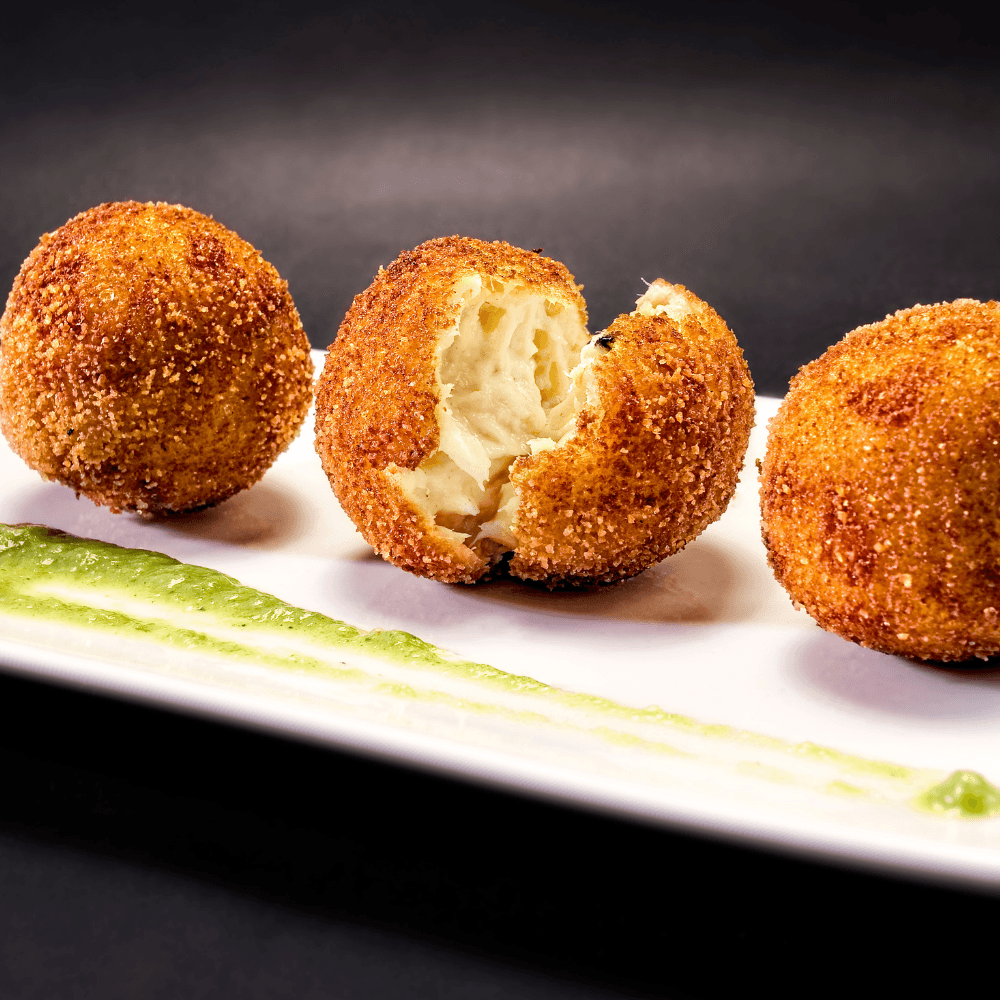
Le catering possède un talent assez particulier : lorsqu’il est parfaitement orchestré, il semble aller de soi. Les cafés apparaissent au bon moment, le déjeuner s’intègre naturellement au programme et les conversations se prolongent autour d’une dernière bouchée. Mais qu’un buffet provoque une longue file ou qu’un service à table ralentisse toute la soirée, et le voilà soudain au centre de toutes les discussions. Catering has a rather unique quality: when it’s perfectly orchestrated, it seems to happen effortlessly. Coffee is served at just the right moment, lunch fits naturally into the schedule, and conversations linger over the last bite. But if a buffet causes a long line or table service slows down the entire evening, it suddenly becomes the focus of everyone’s attention.
An event caterer does more than just fill plates. They set the tone for the day, create opportunities for people to connect, and contribute to the image the company projects. A very sophisticated menu might seem out of place at an informal workshop, while a lunch that’s too basic could disappoint guests at a gala evening.
So, should you choose a buffet, a sit-down meal, a cocktail reception, food stations, or individual lunches? The best option depends less on trends than on the event itself, its audience, and the experience you want to provide.
Part One: Principles for Choosing Event Catering
Start with the Event’s Objective
Before comparing menus, consider why the participants are gathering.
A conference generally aims to share knowledge and foster networking. A product launch should generate excitement. A training session requires concentration. A gala dinner sets a more ceremonial tone. Finally, a staff party should allow employees to unwind and enjoy the moment.
The catering should support this intention. A sit-down meal encourages guests to take their time, but it also interrupts the program more frequently. A walking dinner allows participants to mingle and chat. A buffet offers variety, provided it’s arranged to avoid crowding. A well-timed snack break, meanwhile, can re-energize an entire room.
The first question, therefore, isn’t “What do we want to serve?” but “What behavior do we want to encourage?”
Matching the catering format to the program’s pace
A good menu can become a poor choice if served at the wrong time.
To create a coherent catering plan, consider the entire program: arrival time, session durations, transition periods, time available for meals, and departure time. A fifteen-minute break does not allow for the same type of service as a forty-five-minute break. Similarly, a hearty lunch followed by a technical presentation can cause a drop in attention that even the best speaker will struggle to overcome.
For a full day, it’s generally best to think in sequences:
- A welcome reception with coffee, tea, water, and possibly a light snack
- A morning break
- A lunch tailored to the time available
- A light afternoon break
- A closing cocktail reception (if applicable)
Each stage serves a purpose. The welcome facilitates initial conversations. The break offers a breather. Lunch recharges attendees’ energy. The cocktail reception extends networking in a more informal setting.
Understanding how each catering option differs
Not all catering solutions create the same dynamic.
A sit-down meal is suitable for formal events, gala dinners, and receptions where you want to offer a refined experience. It makes it easier to control portion sizes and the pace of the meal, but requires well-coordinated service and limits movement between tables.
The buffet offers more freedom and allows for a variety of choices. It works well for seminars, conferences, and team meals. Its success, however, depends on the number of serving stations, the width of the aisles, and how quickly the dishes can be restocked.
The cocktail reception or walking dinner encourages networking. Guests move around, switch conversation partners, and sample several small bites. Portions should be easy to eat, ideally without a knife and without having to juggle a plate, a glass, and a handshake.
Food stations divide the offerings into several areas: hot dishes, made-to-order items, local specialties, desserts, or beverages. They add a dynamic element to the reception and can create a spectacular atmosphere. However, they require sufficient space and meticulous organization.
Individual lunches prioritize speed. Whether it’s a meal tray, lunch box, or pre-prepared meal, this solution works well when schedules are tight or participants are working in small groups. It requires less movement but also creates fewer opportunities for guests to mingle.
Consider the Number and Profile of Participants
The number of guests influences the format, but it isn’t the only factor. You also need to understand their profile.
Are they colleagues who already know each other? Key clients? Prospects you want to put at ease? An international audience? Will participants be standing, sitting, or moving around? Will some people need to leave the event early?
A buffet can work perfectly for 40 people but become cumbersome for 250 guests if there’s only one serving station. Conversely, a sit-down meal adds elegance to an evening but can limit interaction when guests remain seated next to the same people for several hours.
The level of formality also matters. Fine tableware and table service naturally complement a formal ceremony. For an innovation event, food stations or a casual lunch will likely better reflect the desired atmosphere.
Gather dietary information well in advance
Allergies, intolerances, religious beliefs, and dietary preferences cannot be treated as last-minute details.
The registration form should allow participants to clearly indicate their needs. This information can then be forwarded to the caterer, with the necessary confidentiality, in order to provide equivalent alternatives. A person who has reported a dietary restriction should not be served an improvised meal or one that is of significantly lower quality than the main menu.
In Belgium, allergen information must also be provided for non-prepackaged foods. TheAFSCA notes that there is a legal requirement to disclose information on 14 allergens. At a buffet, this information can be provided, for example, through signs placed near each dish.
Clear labeling simplifies guests’ choices and prevents the buffet from turning into an impromptu question-and-answer session.
Compare Budgets on a Comprehensive Basis
The price per person is a starting point, but not always the final cost.
Ask what the package actually includes: service staff, tableware, table linens, furniture, beverages, transportation, setup, cleanup, and any overtime. A menu that appears cheaper may lose its advantage if several essential items must be added separately.
The choice of service greatly influences the budget. A sit-down meal generally requires more staff than a buffet. Dishes prepared to order require dedicated equipment and teams. The number of courses, the selection of beverages, and the duration of the reception also play a role.
It’s therefore best to set an overall budget and establish priorities. The freshness of the ingredients, the smooth flow of service, and the quantity available often have a greater impact than an abundance of options.
Prioritize local, seasonal, and appropriately portioned offerings
A seasonal menu allows you to work with ingredients at their peak, while also creating greater consistency on the plate. Local offerings can also anchor the event in its region without needing to make it a theme in and of itself.
The other challenge is quantity. Ordering too little creates a poor experience; ordering far beyond what is needed leads to waste. According to the European Commission, 19% of the food available to consumers is wasted globally across households, retail, and food service combined.
To best adjust quantities, regularly communicate the number of confirmed attendees and the actual duration of service. The caterer can then adjust the quantities, restocking schedule, and portion sizes. Smaller preparations, replenished gradually, are often preferable to a buffet that is overloaded from the moment it opens.
Don’t Underestimate Beverages
Beverages complement the entire experience, not just the meal.
Water should remain easily accessible during conferences and meetings. Coffee and tea are best served at times when attendees actually need them, particularly upon arrival and during breaks. For a reception, a clear selection of alcoholic and non-alcoholic beverages allows everyone to participate comfortably.
It’s also helpful to tailor the offerings to the season and time of day. A cool, light beverage is ideal for a summer reception, while a morning event will naturally favor hot beverages and juices.
Finally, the location of service stations matters. A single bar placed in a narrow passageway can quickly block all traffic. Logistics sometimes come down to a matter of a few meters.
Part Two: Five Events and Their Ideal Catering Formulas
1. A training day or an in-house seminar
During a training session, catering should maintain energy levels without distracting from the content. The goal isn’t to impress at every break, but to provide a comfortable and steady rhythm.
The recommended setup: a welcome coffee, a light morning break, a balanced buffet lunch, and a second snack in the afternoon.
A buffet allows participants to choose their meal and chat with colleagues. If the schedule is tight, it can be replaced with a high-quality individual lunch. Avoid overly heavy dishes at lunchtime and make sure water is available in the room throughout the day.
2. A Conference or Convention
A conference often brings together a large audience and follows a tightly scheduled program. The catering service must handle the flow of attendees quickly, as a prolonged break can disrupt all subsequent sessions.
The recommended format: multiple coffee stations, a standing lunch in the form of a buffet or food stations, followed by a closing networking cocktail reception.
The food should be easy to serve and eat. Distributing the catering across multiple areas minimizes lines and encourages movement. The closing cocktail reception, meanwhile, provides a natural setting to continue discussions with speakers, partners, and other attendees.
3. A Product Launch or Client Event
Here, the catering plays a key role in the overall presentation. It should complement the product’s brand identity without overshadowing it.
The recommended format: a cocktail reception or walking dinner featuring elegant bite-sized dishes, possibly complemented by a few dishes prepared fresh to order.
Guests should be able to move freely between demonstrations, speeches, and networking areas. Therefore, opt for portions that are easy to eat, without messy sauces or overly bulky plates. A signature dish or a presentation inspired by the product can reinforce the concept, provided it remains subtle.
4. A Gala Dinner or Awards Ceremony
For a formal evening, the meal becomes one of the main components of the program. It must complement the speeches, awards presentations, and entertainment.
The recommended format: a welcome cocktail reception followed by a multi-course meal served at the table.
The timing must be coordinated by the kitchen, service staff, production team, and emcee. A speech that drags on can compromise the temperature of a dish; service that starts too early can drown out an important announcement. A precise schedule and a clearly identified person in charge prevent these conflicts between the stage and the plate.
5. A staff party, barbecue, or summer reception
For a casual event, the food can become an attraction in its own right. A barbecue, a griddle, or food stations immediately create a more relaxed atmosphere.
The recommended setup: a self-service buffet, hot dishes served to order, and a dedicated area for desserts and drinks.
This setup encourages guests to move around and mingle with different groups. It’s particularly well-suited for a patio or a space that combines indoor and outdoor areas. However, a backup plan must be in place from the start: Belgian weather also tends to throw a wrench in the works.
A successful catering plan is a cohesive one
There is no one catering format that is universally superior to others. A standing reception is not inherently more modern than a sit-down meal, and a buffet is not automatically simpler. It all depends on the number of guests, the venue, the time available, and the experience you’re aiming for.
The right format is one that fits naturally into the program. It feeds the guests without slowing down the event, facilitates networking when desired, and remains flexible enough to accommodate everyone’s dietary needs.
Are you organizing a seminar, a conference, a reception, or a corporate party?
Contact BluePoint Liège to create a package tailored to your program, featuring modular spaces, custom catering made with local and seasonal ingredients, and a single point of contact to coordinate everything.
Would you like to discover all that BluePoint Liège has to offer?
