
How to organise a corporate event: 10 key steps
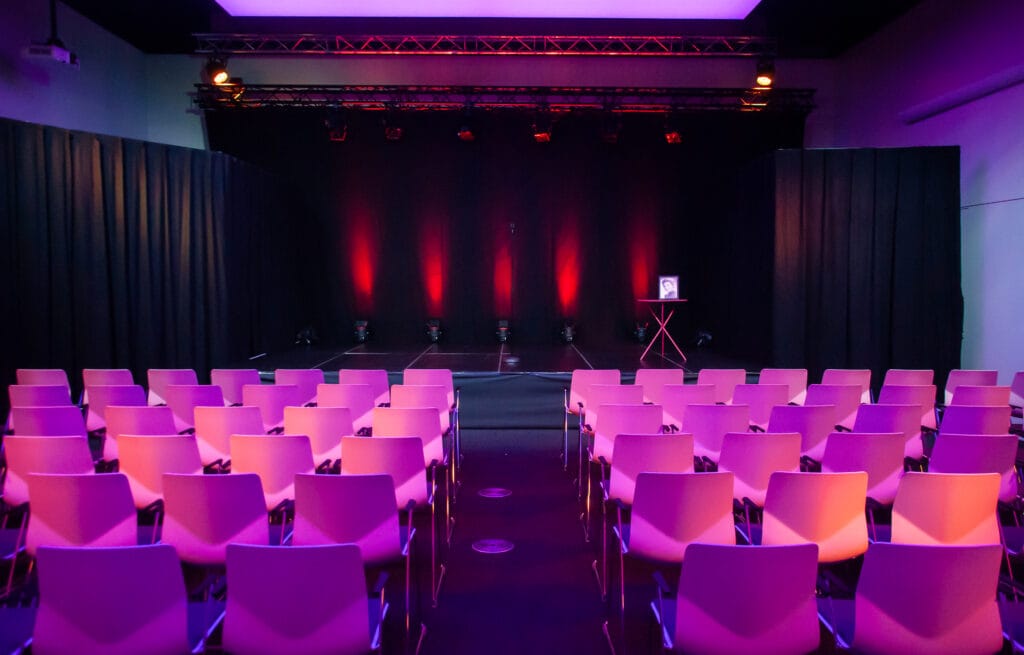
Organising a memorable professional event involves much more than simply booking a venue. Whether you’re planning a B2B conference, a seminar or a networking evening, your guests expect a seamless and rewarding experience. The secret to a flawless event lies in a rigorous approach, designed to anticipate every potential logistical hiccup. Here’s how to turn your next business event into a genuine strategic success.
Step 1: Define the objectives of your B2B event
Before embarking on any logistical arrangements, ask yourself the key question: what is the aim? Are you looking to build loyalty amongst your best customers, launch a new product onto the market, or strengthen the cohesion of your internal teams? This initial intention dictates absolutely everything else. A training seminar does not require the same production values as an end-of-year gala. Setting a clear measure of success helps you stay on track throughout the preparations.
Step 2: Draw up a realistic event budget
The budget determines what is possible. You need to list all expenditure items: venue hire, catering, speakers, technical support, communications and contingencies. The golden rule is to maintain a safety margin of around 15 per cent to accommodate last-minute changes. A well-managed budget avoids painful trade-offs as the big day approaches and ensures a consistently high standard of hospitality for your participants.
Step 3: Choose a strategic date
The calendar is your greatest ally – or your worst enemy. A poorly chosen date has a direct impact on attendance rates. Check your calendars to avoid school holidays, public holidays or major events in your sector (major trade fairs, annual closures). Opt for Tuesdays and Thursdays for B2B events, as these days are traditionally more conducive to business travel.
Step 4: Find an inspiring and accessible venue
The environment in which you welcome your guests determines their receptiveness. Professionals tend to avoid dark and hard-to-reach venues. They look for natural light, a user-friendly layout and smooth logistics. This is precisely the approach taken by BluePoint Liège, ideally situated in the Vennes district, on the banks of the River Ourthe. The aim is to offer a soothing retreat whilst ensuring excellent accessibility thanks to its proximity to Angleur and Les Guillemins stations, as well as a private underground car park with 130 spaces equipped with charging points.
Step 5: Design a dynamic and engaging programme
Human attention is a limited resource. A series of sixty-minute monologues is guaranteed to cause your audience to tune out.
Tips for maintaining momentum:
- Alternate between short formats (20-minute keynotes) and interactive workshops.
- Allow for breaks that are long enough to encourage networking.
- Vary between seated and standing arrangements to boost energy levels.
- Include question-and-answer sessions to engage the audience.
Step 6: Select the equipment and speakers
Substance demands flawless form. Your speakers’ message loses all its impact if the microphone crackles or the visual presentation is illegible. The technical infrastructure plays a major role. Venues such as our 7 modular rooms are equipped with state-of-the-art audiovisual equipment, including HD LED screens and carefully designed acoustics to ensure every speaker is heard clearly. To discover these set-ups, you can explore our event venues.
Step 7: Plan high-quality catering
A meal is never just a detail; it is the ultimate opportunity for socialising. Gone are the days of standardised buffets; make way for a gastronomic experience that surprises and delights.
The impact of a carefully curated menu Catering sets the pace for the day. Opting for high-quality set menus from an acclaimed kitchen (such as that of our restaurant Le Cabochon, recognised by Gault & Millau) allows you to leave a lasting impression whilst accommodating all your guests’ dietary requirements.
Step 8: Incorporate a concrete CSR dimension
Participants are particularly mindful of the environmental footprint of the events they attend. Reducing single-use plastic, prioritising locally sourced food for catering and managing waste intelligently are becoming essential standards. Choosing a partner that holds the international Green Key label – which our venue has held since 2021 – sends a strong signal about your own commitment to sustainability.
Step 9: Create a pre-event communication plan
A successful event means a full house. Communication begins with an eye-catching ‘Save the Date’, followed by clear invitations detailing the programme, practical information and the benefits of the day. Remember to follow up with your registrants a few days beforehand to confirm their attendance and build anticipation for your event.
Step 10: Plan for event management on the day
On the day of the event, your role is to engage with your guests, not to deal with logistical hiccups. Put together a dedicated team or rely on the expertise of your venue. Having a single point of contact on site ensures an immediate response to any technical or catering adjustments.
Your next professional event deserves flawless execution, from the initial idea right through to the departure of the last guest. Take the time to lay these strategic foundations and rely on trusted partners to bring your vision to life. To structure your project and find inspiration, feel free to download our brochure or get in touch with our teams via the contact form.
Would you like to discover all that BluePoint Liège has to offer?
